
Paperwork has always carried weight. Forms confirm intent, contracts establish trust, and agreements protect understanding between people. They sit at the foundation of decisions, partnerships, and everyday operations. Yet despite how important these documents are, the way they’re handled is often surprisingly inefficient. Files are printed, scanned, renamed, resent, and revised — sometimes multiple times — before they ever feel complete, introducing unnecessary friction along the way.

The smarter approach isn’t about rushing documents through the system or cutting corners. It’s about creating a process where clarity, accuracy, and momentum coexist without conflict. When forms and agreements are handled with intention, they stop feeling like obstacles to overcome and start functioning as quiet enablers of progress — supporting work instead of slowing it down, and allowing people to move forward with confidence rather than hesitation.
Why Traditional Document Handling Still Slows Everything Down
Many document workflows are built on habits formed years ago. Printing to sign, scanning to share, emailing attachments back and forth—these steps feel familiar, but familiarity doesn’t equal efficiency. Each manual action increases the chance of delay, error, or confusion.
Contracts often stall not because of disagreement, but because someone missed a field or signed in the wrong place. Forms get re-sent because the latest version isn’t clear. Agreements lose momentum because they require too many small follow-ups. These are not big failures, but they add up quickly.
A smarter system reduces friction before it appears. It allows documents to move forward cleanly, without constant intervention.

What Smarter Document Handling Actually Looks Like
A modern approach keeps documents digital from beginning to end. Forms are filled accurately the first time. Contracts are reviewed, signed, and finalized without unnecessary steps. Agreements live in one place, clearly labeled and easily accessible.
This isn’t about complexity—it’s about flow. When tools are designed around how people actually work, documents become easier to complete and harder to mishandle. Platforms like pdfFiller are built with this exact philosophy, allowing users to edit, sign, and manage documents without breaking focus or format.
Instead of adapting people to paperwork, the paperwork adapts to people.
Clarity Is the Most Underrated Advantage
The biggest benefit of smarter document handling isn’t speed—it’s clarity. When forms guide users intuitively, mistakes decrease. When contracts are cleanly structured and easy to complete, trust increases. When agreements are finalized smoothly, confidence replaces hesitation.
Clear documents reduce follow-up messages, repeated explanations, and unnecessary revisions. With pdfFiller, fields can be completed digitally, signatures added securely, and documents shared instantly—all while preserving the professional integrity that formal paperwork demands.
This clarity doesn’t just help individuals. It improves collaboration across teams, departments, and even organizations.
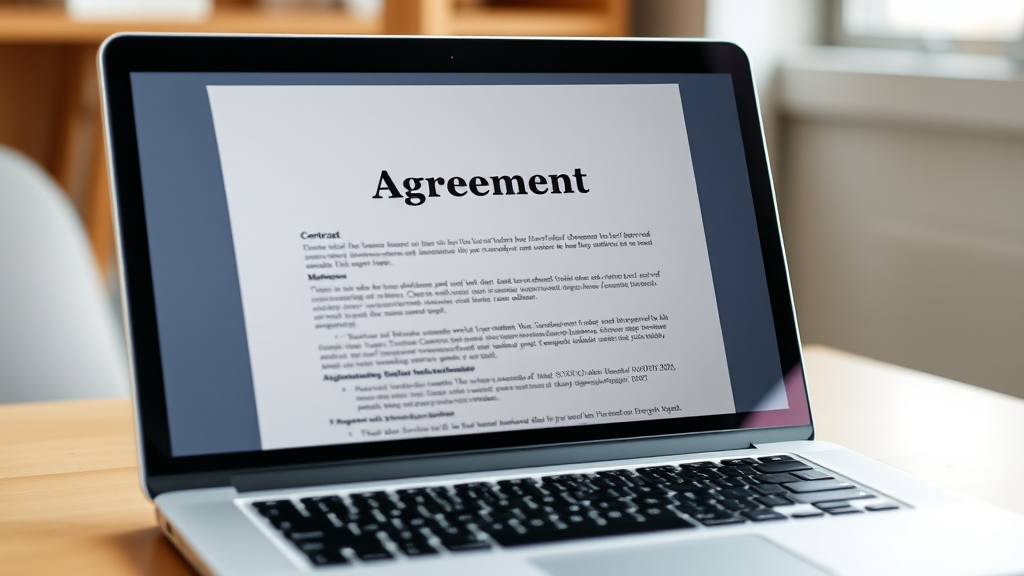
Security Without the Stress
Handling sensitive documents often creates anxiety. Who has access? Which version is final? Was the agreement signed correctly? A smarter system answers these questions without constant checking.
Digital document platforms provide controlled access, secure signing, and reliable storage. With pdfFiller, documents remain protected while still being easy to use. This balance matters, especially when dealing with contracts and agreements that carry legal or financial weight.
Security shouldn’t slow a workflow—it should quietly support it.
Agreements That Move at the Speed of Trust
When documents are easy to complete, people respond faster. Decisions don’t stall. Approvals don’t linger. Agreements reach completion while momentum is still strong.
This is where tools like pdfFiller change the experience entirely. Instead of paperwork feeling like a pause between intentions and action, it becomes a natural step forward. Forms don’t interrupt progress; they accompany it.
Over time, this creates better habits. Teams become more responsive. Clients feel respected. Processes feel intentional rather than improvised.
Letting Documents Do Their Job Quietly
Forms, contracts, and agreements don’t need constant attention — they need thoughtful structure. When handled well, they fade quietly into the background, doing their job without demanding effort, follow-ups, or mental energy. Instead of interrupting workflows, they support them, allowing progress to unfold naturally and without friction.
A smarter approach means choosing systems that reduce noise, repetition, and hesitation at every step. It means trusting tools like pdfFiller to manage the mechanics — from filling and signing to sharing and storing — so focus stays where it belongs: on decisions, relationships, and meaningful outcomes rather than administrative tasks.
Because when paperwork works the way it should, it no longer feels like work at all. It becomes an invisible bridge between intention and action, quietly moving things forward with clarity, confidence, and ease.
