
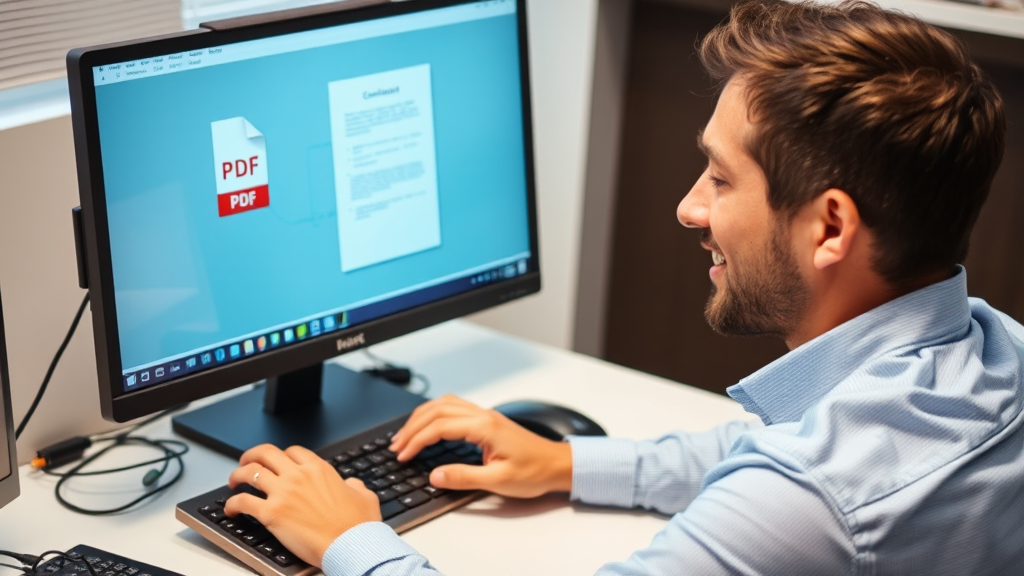
PDFs were never meant to be exciting. They were designed to be reliable, consistent, and universally readable. And yet, decades later, they remain one of the most widely used document formats in the world. From contracts and forms to resumes, invoices, and agreements, PDFs continue to quietly power everyday work.
The reason is simple: PDFs work. But while the format has endured, the way many people use it hasn’t evolved nearly as much. Printing, scanning, emailing back and forth, and manually filling fields are still surprisingly common. The good news is that PDFs don’t need to feel slow or rigid. With the right tools and approach, they can become one of the most efficient parts of any workflow.
Why PDFs Refuse to Disappear
PDFs exist at the intersection of trust and consistency. A PDF looks the same on every device, preserves formatting perfectly, and carries a sense of finality that other file types often lack. That reliability is why legal documents, official forms, and business agreements continue to rely on them.
Unlike editable documents that can shift depending on software or version, PDFs are stable. They communicate clarity. They say, “This is the document.” That psychological trust is part of why PDFs remain so deeply embedded in professional and personal processes alike.
But stability doesn’t have to mean inflexibility. The challenge is that many workflows still treat PDFs as static objects rather than interactive tools.
The Friction Comes From How PDFs Are Used
Most frustration around PDFs doesn’t come from the format itself—it comes from outdated habits. Printing a document just to sign it. Scanning it back into a computer. Emailing multiple versions because someone filled the wrong field. Losing time to small, avoidable steps.
These moments interrupt focus and slow momentum. They also introduce errors. When documents require too many manual actions, accuracy drops and clarity suffers. This is where smarter digital handling becomes essential.
Modern tools allow PDFs to stay digital from start to finish. They can be filled, edited, signed, shared, and stored without ever touching a printer. Platforms like pdfFiller are built specifically for this purpose—turning PDFs into flexible, editable documents while preserving the reliability people trust.
What “Using PDFs Better” Actually Means
Using PDFs better doesn’t mean abandoning them. It means upgrading how they fit into daily work. A well-handled PDF should move smoothly from one step to the next without forcing users to stop, convert formats, or recreate information.
Smart PDF usage means being able to open a document, complete it accurately, sign it legally, and send it onward in one continuous flow. It means forms that guide users clearly instead of confusing them. It means edits that don’t break formatting or introduce inconsistencies.
With tools like pdfFiller, PDFs become interactive instead of static. Fields can be filled digitally, signatures added securely, and documents shared instantly—all while maintaining compliance and professionalism.

Why Digital PDF Tools Save More Than Time
The most obvious benefit of smarter PDF handling is speed, but the deeper benefit is confidence. When documents are easy to manage, people make fewer mistakes. They don’t rush. They don’t second-guess whether the right version was sent or whether a signature is valid.
Digital PDF platforms reduce back-and-forth communication, eliminate version confusion, and create clear document trails. This is especially important for businesses dealing with contracts, approvals, or sensitive information. Using a solution like pdfFiller allows teams to maintain control without micromanaging every document step.
The result is smoother collaboration and fewer interruptions—two things every modern workflow needs more of.
PDFs as Part of a Clean Workflow
When PDFs are handled well, they stop being a bottleneck and start becoming a support system. They fit naturally into digital workflows instead of breaking them apart. Documents move forward instead of stalling progress.
This shift also supports remote and hybrid work. Teams don’t need to be in the same room—or even the same country—to complete paperwork efficiently. With platforms like pdfFiller, documents can be accessed, edited, and finalized from anywhere, without compromising security or clarity.
PDFs remain everywhere because they serve a real purpose. The key is allowing them to evolve alongside modern work habits.
Keeping the Trust, Removing the Friction
PDFs earned their place through reliability. There’s no need to replace them—only to remove the friction surrounding them. When handled with the right tools, PDFs become just as flexible as they are dependable.
Using a platform like pdfFiller helps preserve everything people value about PDFs while eliminating the outdated steps that slow work down. Forms become easier. Agreements become clearer. Documents become something that supports productivity instead of interrupting it.
PDFs aren’t going anywhere. But the way they’re used can be smarter, smoother, and far more human.
