
Weather is one of the most important factors to consider when planning a sea crossing. Unlike land travel, ferry journeys are directly affected by wind, waves, and changing sea conditions. While modern ferries are built to operate safely in a wide range of environments, understanding how weather influences your journey can greatly improve comfort. With the right preparation and mindset, weather becomes a manageable part of the experience rather than a concern.
Understanding How Sea Weather Differs From Land Weather
Sea weather can feel unpredictable, especially for travellers who are more familiar with road or air journeys. Conditions can change once a vessel moves into open water, even if the port appears calm at departure. Wind direction, wave height, and temperature shifts all play a role in how a crossing feels.
Passengers travelling with P&O Ferries UK benefit from professional crews and vessels designed for year round operations. Even so, knowing that some movement is normal helps reduce anxiety and allows travellers to relax and adjust more easily during the crossing.
Choosing the Best Time and Season to Travel
Timing your journey wisely can significantly affect how weather is experienced at sea. Summer months usually offer calmer waters and more predictable conditions, making them popular for leisure travel. Spring and autumn often provide a balance between comfort and quieter sailings, while winter crossings may bring stronger winds and increased movement.
Many frequent travellers with P&O Ferries UK choose early morning departures, as sea conditions are often more stable earlier in the day. Checking weather forecasts a few days in advance also helps set expectations and informs decisions about clothing and onboard plans.

Selecting the Most Comfortable Areas Onboard
Where you spend time onboard can make a noticeable difference during varying weather conditions. Areas closer to the centre of the ship generally experience less motion than outer decks or higher levels. Enclosed lounges provide a calm environment, especially when wind or waves increase.
Modern vessels operated by P&O Ferries UK are designed with multiple seating options to suit different preferences and conditions. Choosing a comfortable space early in the journey allows you to settle in and avoid unnecessary movement once the ship is underway.
Packing With Changing Conditions in Mind
Packing for sea travel requires flexibility. Even during warm seasons, wind can make outdoor decks feel cooler than expected. Light jackets, layers, and comfortable footwear help you adapt easily between indoor and outdoor areas.
Staying hydrated and eating light meals before sailing can also help reduce discomfort. Some travellers carry simple remedies such as ginger snacks or motion bands as a precaution. Regular passengers travelling with P&O Ferries UK often recommend being prepared rather than reactive, even if seasickness is rarely an issue.

Adjusting Activities Based on Weather
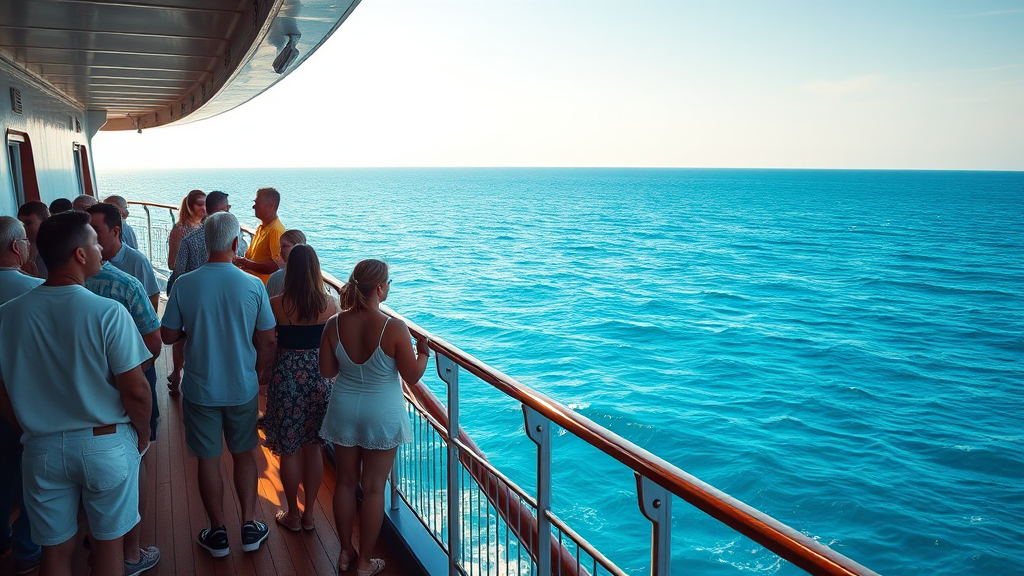
Weather can influence how enjoyable different onboard spaces feel. On calm days, outdoor decks offer fresh air and open views that enhance the journey. When conditions are rougher, indoor lounges provide warmth, stability, and a quieter atmosphere.
Treating the crossing as a chance to slow down rather than stay constantly active helps many travellers remain comfortable. Reading, listening to music, or resting allows time to pass naturally and reduces focus on external conditions.
Managing Expectations and Staying Relaxed
A calm mindset plays a major role in how weather is experienced at sea. Understanding that movement is part of maritime travel helps passengers remain composed. Crew announcements and visible safety measures also provide reassurance throughout the journey.
With experienced operations and clear communication, P&O Ferries UK ensures passengers are supported regardless of conditions. Trusting the process and focusing on personal comfort can greatly improve the overall experience.

Arriving Refreshed and Ready for Your Holiday
Preparing for weather at sea is about awareness and adaptability rather than control. By choosing suitable travel times, packing thoughtfully, and selecting comfortable onboard spaces, travellers can arrive feeling rested and ready to enjoy their destination.
Sea crossings are not simply a means of transport. With the right preparation, they become a smooth and dependable start to your holiday, whatever the forecast may bring.
