
Choosing the right food for your dog often feels like walking a tightrope. On one side, you want high quality nutrition that keeps your dog healthy, active, and happy. On the other, you have a budget to stick to. With so many options available, from low cost kibble to premium fresh meals, it is easy to feel overwhelmed.
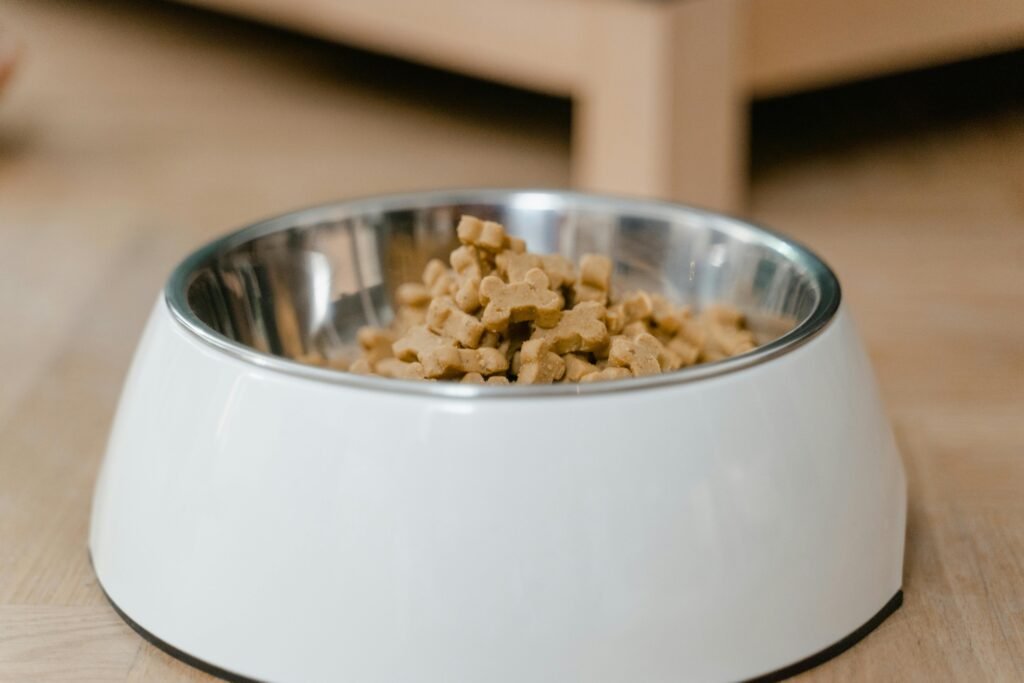
The good news is that balancing cost and quality does not mean choosing one and sacrificing the other. With the right approach, you can feed your dog well without overspending.
Why Dog Food Quality Matters More Than You Think
Dog food is not just about filling a bowl. It directly affects your dog’s overall wellbeing. Poor quality food may seem affordable at first, but it can lead to digestive issues, low energy, dull coats, and frequent vet visits over time.
Higher quality dog food, such as thoughtfully prepared meals from Pure Pet Food, usually contains better ingredients, fewer fillers, and nutrients that are easier for dogs to digest. This means your dog absorbs more goodness from each meal, often resulting in better health and fewer problems down the line.
Understanding What You’re Paying For
One of the biggest mistakes dog owners make is focusing only on the price printed on the bag. A cheaper option may require larger portions to meet nutritional needs, while higher quality food is often more nutrient dense.
When comparing options, look beyond cost per bag and consider ingredient quality, portion size needed per meal, digestibility, and long term health benefits.
Sometimes, spending slightly more upfront can actually reduce costs over time by improving your dog’s health.
How to Spot Quality Ingredients Without Being an Expert
You do not need a degree in pet nutrition to recognize good dog food. A quick look at the ingredient list can tell you a lot.
High quality dog food usually includes clearly named proteins such as chicken, beef, or fish, natural vegetables and carbohydrates, and minimal artificial additives.

Avoid foods that rely heavily on vague terms like meat derivatives or excessive fillers. Brands such as Pure Pet Food focus on transparent ingredients, making it easier for dog owners to understand what they are feeding their pets.
Portion Control Plays a Bigger Role Than Price
Feeding the right amount is just as important as choosing the right food. Overfeeding low quality food can increase costs quickly, while properly portioned high quality meals often last longer.
Many modern dog foods are designed to be rehydrated or served in measured portions, helping reduce waste. This approach ensures your dog gets the nutrition they need without unnecessary excess.
Tailored Nutrition Can Reduce Hidden Costs
Not all dogs have the same needs. Age, size, activity level, and sensitivities all play a role in choosing the right diet. Feeding a one size fits all food may seem cheaper, but it can cause issues if it does not suit your dog.
Tailored options, like those offered by Pure Pet Food, help ensure your dog receives nutrition designed specifically for them. This can reduce digestive problems, food refusals, and even costly vet visits caused by unsuitable diets.
Making Smart Choices on a Budget
Balancing cost and quality does not mean buying the most expensive option available. Instead, focus on value.

Buy based on nutritional value rather than marketing claims. Measure meals accurately to avoid waste. Choose food that suits your dog’s specific needs. Consider subscription or delivery models for consistency.
Brands like Pure Pet Food often simplify feeding by providing clear guidance on portions and preparation, helping dog owners avoid guesswork and unnecessary spending.
Gradual Changes Save Money and Stress
Switching dog food suddenly can lead to upset stomachs and wasted food. A gradual transition helps your dog adjust and ensures the food is not rejected.
Mixing the new food slowly with the old one over several days reduces waste and helps you see how your dog responds before fully committing. This approach protects both your dog’s health and your wallet.
Long Term Thinking Is the Real Balance
The true balance between cost and quality comes from thinking long term. Food that supports digestion, energy, and overall health reduces unexpected expenses later.
Many dog owners find that once they switch to higher quality options, their dogs need fewer treats to stay satisfied and experience fewer food-related issues. That consistency can make premium-feeling food surprisingly economical over time.
Final Thoughts
Balancing cost and quality in dog food choices is not about finding the cheapest option or the fanciest label. It is about understanding your dog’s needs, choosing nourishing ingredients, and feeding smarter, not more.
By focusing on value, portion control, and long term health benefits, you can confidently choose food that supports your dog’s wellbeing without stretching your budget. With thoughtful choices and brands such as Pure Pet Food, feeding your dog well can be both practical and rewarding.
