
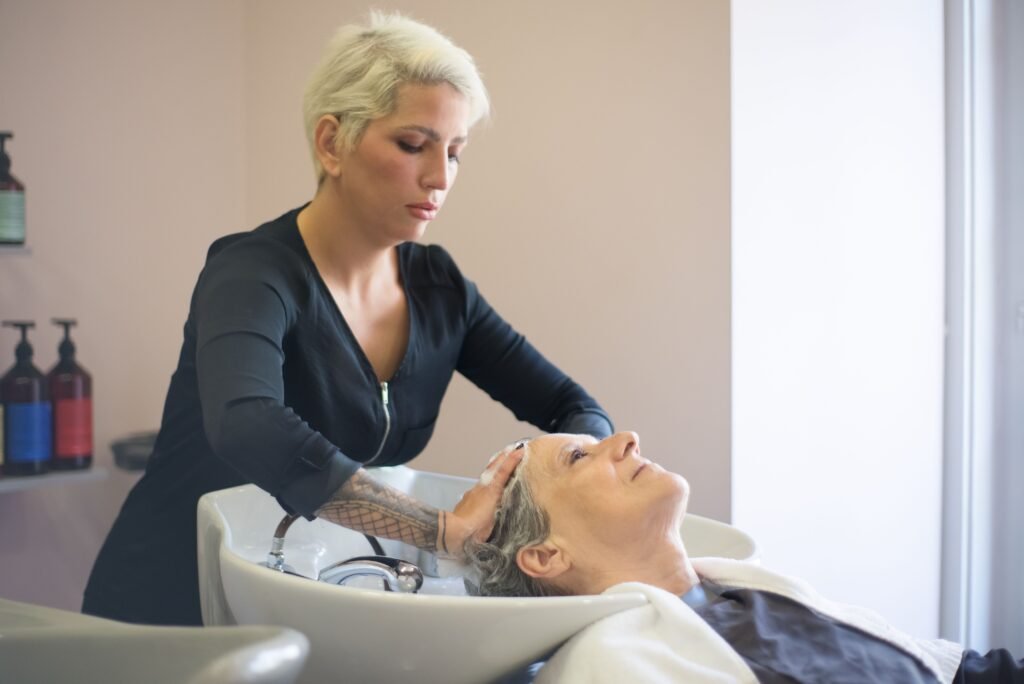
Starting a salon is an exciting opportunity for anyone passionate about hair styling and customer service. However, turning that passion into a successful business requires thoughtful planning, financial preparation, and a clear understanding of the industry. If you’re researching how to open a hair salon, it’s important to create a strong foundation before welcoming your first clients. Whether you’re opening an independent studio or a larger salon, every decision plays a role in your long-term success.
Build a Clear Business Plan
The first step in learning how to open a hair salon is creating a detailed business plan. This document should outline your goals, target audience, expected expenses, pricing strategy, and marketing approach. A well-prepared plan also helps when applying for funding or presenting your idea to potential investors.

Your business plan should reflect the local market and explain how your salon will stand out from competitors. Understanding current trends within the salon business UK market can help you identify customer expectations and choose services that suit your location. Taking the time to research demand will make your business more competitive from the beginning.
Many professionals also rely on suppliers such as Salons Direct while planning equipment and product requirements, allowing them to estimate costs more accurately before launching.
Choose the Right Location and Equipment
Finding the right location is one of the most important decisions you’ll make. A salon should be easy to access, visible to potential customers, and located in an area with steady foot traffic or strong local demand. Before signing a lease, consider nearby competitors, parking availability, and the size of the property.
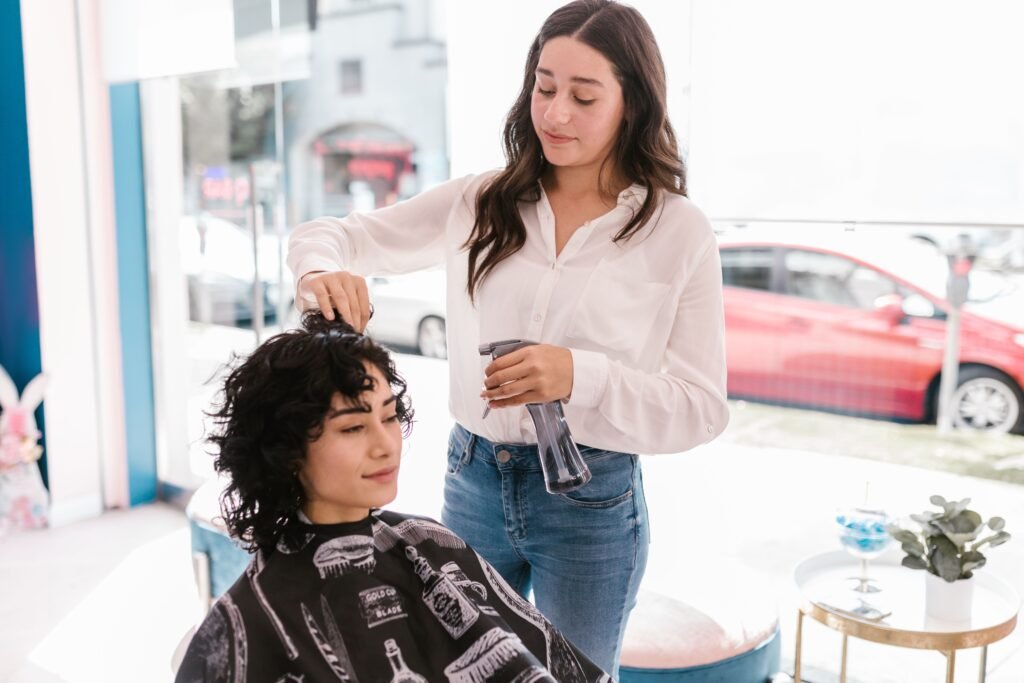
At the same time, preparing a complete salon startup checklist helps ensure nothing is overlooked. Furniture, styling chairs, mirrors, wash stations, professional tools, storage, and reception furniture all need to be included in your planning process.
Many new owners choose Salons Direct when sourcing professional salon equipment because having reliable products from the beginning supports smoother daily operations and creates a professional environment for clients.
Understand Legal and Financial Requirements
Every new salon must meet legal and financial obligations before opening its doors. Registering your business, obtaining the necessary licences, arranging insurance, and complying with health and safety regulations are essential steps. Understanding local employment laws is equally important if you plan to hire staff.
Anyone researching how to open a hair salon should also create a realistic budget covering rent, utilities, salaries, inventory, and marketing. Setting aside emergency funds helps manage unexpected expenses during the first few months.

As part of your salon startup checklist, remember to establish a business bank account, choose accounting software, and develop a pricing structure that balances profitability with customer expectations.
Invest in Quality Products and Services
The quality of your services depends greatly on the products and equipment you use. Professional-grade shampoos, colours, styling tools, and treatment products contribute to better customer experiences and encourage repeat visits. Investing in reliable equipment also reduces maintenance issues over time.
Building a strong reputation in the salon business UK market means consistently delivering excellent results while maintaining high hygiene standards. Customers appreciate salons that combine skilled professionals with dependable products and a welcoming atmosphere.
To support these goals, many salon owners source professional supplies through Salons Direct, helping them maintain consistent quality while expanding their range of services.
Create a Strong Marketing Strategy
Opening your salon is only the beginning. Attracting and retaining clients requires continuous marketing efforts. A professional website, active social media profiles, customer reviews, and local advertising all contribute to building visibility.

Learning how to open a hair salon also involves understanding your ideal customers and communicating with them effectively. Promotional offers for new clients, referral programmes, and seasonal campaigns can help generate early bookings and establish loyalty.
Your salon startup checklist should also include creating your brand identity, designing attractive signage, and setting up online booking systems to improve customer convenience.
Prepare for Long-Term Growth
Running a successful salon business UK requires ongoing improvement rather than focusing only on opening day. Regular staff training, updated equipment, and introducing new treatments help keep your salon competitive as customer preferences evolve.
Monitoring business performance through client feedback and financial reports allows you to identify opportunities for growth. Expanding retail product offerings, improving customer experiences, and staying informed about industry trends all contribute to long-term success.

Many growing businesses continue working with Salons Direct as their operational needs expand, making it easier to access professional salon essentials while maintaining consistent service standards.
Conclusion
Opening a salon is a rewarding journey when supported by careful planning and informed decision-making. From selecting the right location to building an effective marketing strategy, every stage contributes to a successful launch. Following a detailed salon startup checklist, understanding the salon business UK landscape, and learning how to open a hair salon through practical preparation can help reduce common challenges. With commitment, professional standards, and dependable industry support, your salon can build lasting relationships with clients and continue growing for years to come.
